What really changes from your 20s to your 70s, what the research says, and the simple habits that keep pleasure alive for life.
“We still care for each other so much. But the spark… it's changed. Is that normal?”
It's one of the most common questions people ask about sex and getting older. The short answer: absolutely normal. Sex doesn't come with an expiry date, but it does evolve, and that evolution can be wonderful if you let it.
Whether you're 28 or 68, single or partnered, managing a health condition or simply noticing your body change, this guide covers how to have great sex at every stage of life, backed by research and the advice of one of the world's best-known senior sex educators.
The short answer
How to have great sex at any age comes down to five things: redefine what sex means to you, give arousal more time, use a good lubricant, let the right toys do the heavy lifting, and talk, to your partner and to your doctor. Bodies change; pleasure doesn't have to disappear.
Sex After 65, by the Numbers
40%
of adults aged 65 to 80 are sexually active
73%
of them are satisfied with their sex lives
54%
of those with a partner are sexually active
17%
had talked to a doctor about sexual health in the past two years
Source: University of Michigan / AARP National Poll on Healthy Aging, a nationally representative 2018 survey of 1,002 adults aged 65 to 80 in the US. Women in the poll were less likely than men to be sexually active, but more likely to be very satisfied with their sex lives.
Why Sex Can Actually Get Better With Age
Many people report having some of the most satisfying sex of their lives later on. Not because their bodies work exactly as they did at 25, but because they've stopped trying to recreate their twenties. When performance pressure drops and communication improves, pleasure has room to grow.
Senior sex educator Joan Price, author of the award-winning Naked at Our Age and a long-time columnist for AARP's Senior Planet, puts the first step simply on her website: redefine sex. What brings pleasure at 70 may look different from what worked at 30, and that's not a loss, just a change.
“We may be challenged as we age, but we don't have to be diminished.”
— Joan Price, senior sex educator, via joanprice.com
What Changes (and What Doesn't) Through the Decades
The Discovery Phase
Physical arousal often comes easily, but asking for what you want can still feel daunting. Focus on exploring without pressure, learning your body solo, and using lube from day one.
The Juggling Years
Work, children and sleep deprivation pull energy away. Desire may dip, not because love has faded but because life is full. Quality over quantity: schedule intimacy and keep it short and sweet when you need to.
The Hormone Shift
Perimenopause can affect arousal and natural lubrication, and testosterone may start to decline. Slower, longer foreplay and stronger, more targeted stimulation start to matter more.
The Reinvention
Lower oestrogen can bring vaginal dryness and thinner tissue, and erections may become less reliable with longer recovery times. Yet many people find this is when communication, confidence and satisfaction peak.
How to Have Great Sex at Any Age: 7 Expert Habits
Plan for your best energy
Joan Price suggests in her tips for sex after 50 planning sex for the time of day you feel most energetic, even a morning or afternoon session, and resting first if energy is low.
Have sex before a meal, not after
Digestion draws blood flow away from the genitals. Price's advice: have sex first, then enjoy your meal.
Give arousal more time
Arousal is slower and less predictable as we age. Many people experience responsive desire, where wanting sex follows touch and pleasure rather than coming first. Start touching and let desire catch up.
Make lube non-negotiable
Hormonal changes reduce natural lubrication for many women. A quality water-based lubricant makes sex more comfortable and helps prevent irritation.
Let toys do the heavy lifting
Price explains in her Senior Planet vibrator guide that we often need more intense stimulation and longer arousal time to orgasm, and arthritic wrists can make that tiring. A well-chosen vibrator speeds things up.
Move your body
Regular exercise improves blood flow everywhere, including the genitals, making arousal easier and faster.
Talk, including to your doctor
Only 17% of older adults in the National Poll on Healthy Aging had discussed sexual health with a doctor in the past two years. Many issues, from dryness to erectile difficulties, have simple solutions.
Navigating Health Changes and Physical Challenges
Menopause
Vaginal dryness and thinner tissue can make penetration uncomfortable. Use lube and vaginal moisturisers, explore external and contactless stimulation, and ask your doctor whether vaginal oestrogen is right for you.
Andropause and erectile changes
Erections may be less reliable and recovery slower. Shift the focus to full-body pleasure; cock rings can help maintain firmness, and prostate stimulation offers a different route to orgasm.
Chronic illness
Diabetes, heart disease, arthritis and autoimmune conditions can affect sexual function without ending your sex life. Plan intimacy around when you feel best, and ask your doctor about timing medication around sex.
Disability and limited mobility
Ergonomic, easy-grip vibrators, remote or app-controlled toys a partner can operate, and positioning aids like wedge pillows can make pleasure comfortable and accessible.
Tools That Help at Every Age
Updated picks, all available at Pink Lifestyle, matched to the changes above.

Sliquid Organics Natural Gel
From S$12.70 (60 ml) · 255 ml S$27.65
An extra-thick, aloe-based lubricant made with 95% organic ingredients. It's glycerin-free, paraben-free and pH-balanced at 4.0 to 4.4, with extra cushioning that's especially comfortable when natural lubrication is low.
Great for: hormonal dryness, sensitive skin, anyone who prefers a thicker lube.
Keep in mind: it's water-based, so you may need to reapply during longer sessions. Also available in a 255 ml size.
View Sliquid Natural Gel
Womanizer Premium 2
From S$246
Womanizer's flagship uses contactless Pleasure Air technology to stimulate the clitoris without friction, with 14 intensity levels, Smart Silence and Autopilot. A strong option when penetration has become uncomfortable or arousal needs more intensity.
Great for: post-menopause pleasure, intense yet gentle stimulation.
Keep in mind: it's a premium price, and it's for external use only.
View Womanizer Premium 2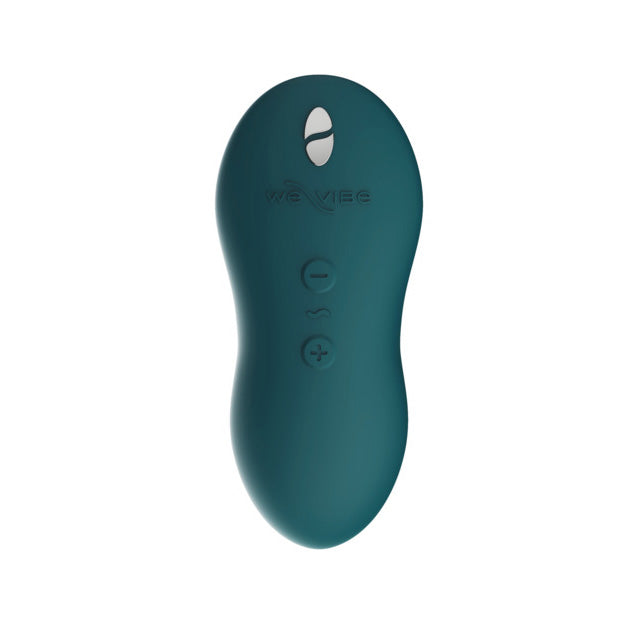
We-Vibe Touch X
S$140
A curved, easy-to-hold vibrator that fits naturally in the hand, with 8 intensity levels, 7 modes, up to 2 hours of battery, IPX7 waterproofing and a travel lock. Use it on the clitoris, nipples, perineum or as a body massager.
Great for: limited hand mobility, sore wrists, versatile solo or partner play.
Keep in mind: its vibrations are rumbly rather than pinpoint, so try a few modes to find your favourite.
View We-Vibe Touch X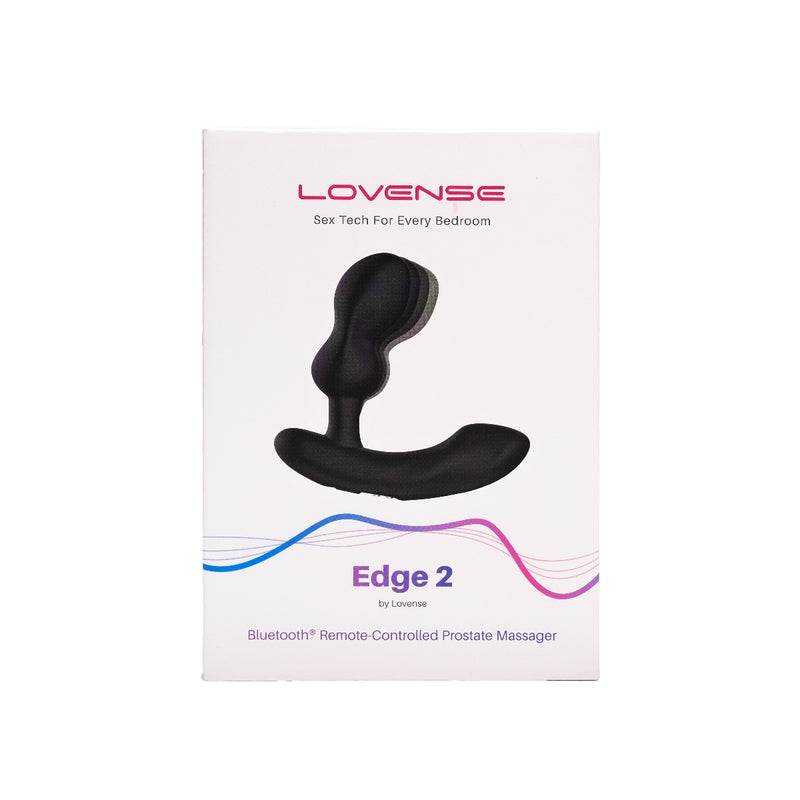
Lovense Edge 2
S$135.15 (usually S$166.60)
When erections become less reliable, the prostate offers another path to orgasm. The Edge 2 has an adjustable arm to fit your anatomy, dual motors for the prostate and perineum, and app control that a partner can use too.
Great for: men exploring pleasure beyond erections.
Keep in mind: use plenty of water-based lube and start on a low setting.
View Lovense Edge 2Also worth a look: the Lovense Lush 4 (S$186) for app-controlled, hands-free play a partner can control from anywhere, and the We-Vibe Pivot 2 (S$170), a vibrating cock ring that helps maintain firmness while stimulating both partners.
What Experts and Real People Say
Joan Price, senior sex educator
Asked by a reader whether her vibrator had desensitised her, Price answered in a Senior Planet column that vibrators don't desensitise you. As we age there's less blood flow to the clitoris and vagina, so we need more intense stimulation. Her suggestion: bring the vibrator into partner sex.
The researchers
Sociologist Erica Solway, who helped lead the University of Michigan poll, told the Chicago Sun-Times that sex is an important part of older people's lives that probably doesn't get the attention it deserves.
A 61-year marriage
Under Price's Senior Planet column, one reader shared that he and his wife had enjoyed using vibrators together for more than 50 of their 61 years of marriage, proof that toys can be part of a lifelong sex life.
Podcasts and YouTube
Price, now in her 80s, shares senior sex advice on her YouTube channel and featured on the New York Times' Modern Love podcast in March 2026, in an episode titled A Widow's Guide to Sex, according to writer Debbie Weil.
A note on our sources: we also searched Reddit for discussions on sex and ageing, but didn't find threads reliable enough to quote, so we've relied on published research and named educators.
Myths vs. Facts
Why This Matters
Too many people believe that physical changes, chronic illness or disability mean the end of their sexual lives. That's simply not true. Sexual expression remains part of being human, tied to how we feel about ourselves, how we stay connected and how we experience joy in whatever body we have today.
If you're navigating menopause, andropause, illness or disability: nothing is wrong with you. Your body is asking for different things now. Start with one question: "What would feel good for me right now, given how my body works today?"
When to Talk to a Doctor
- Pain during sex that doesn't improve with lube and slower arousal.
- Persistent dryness, itching or bleeding after menopause. Treatments like vaginal oestrogen can help.
- New or worsening erectile difficulties. They can be an early sign of circulation or heart problems, so they're worth checking.
- Medication side effects on desire or arousal. Your doctor may be able to adjust the dose or timing.
- Big changes in desire alongside low mood, fatigue or other symptoms.
Products in this article support comfort and pleasure. They are not a substitute for medical diagnosis or treatment.
Frequently Asked Questions
How do you have great sex at any age?
Redefine sex beyond penetration, give arousal more time, use a quality lubricant, use toys for stronger stimulation when needed, and talk openly with your partner and doctor about changes.
Is it normal for sex to change as you get older?
Yes. Hormonal changes, health conditions and life stages all affect desire and arousal. Many people find sex becomes more satisfying with better communication and less performance pressure.
How many older adults are still sexually active?
According to the University of Michigan National Poll on Healthy Aging, 40% of adults aged 65 to 80 are sexually active, and 73% are satisfied with their sex lives.
What helps with vaginal dryness after menopause?
A quality water-based lubricant such as Sliquid Organics Natural Gel, regular vaginal moisturisers, longer foreplay and, after speaking to your doctor, treatments like vaginal oestrogen.
Do vibrators desensitise you?
No. Senior sex educator Joan Price explains that ageing bodies have less blood flow to the genitals and often need more intense stimulation. A vibrator provides it.
What can help men with less reliable erections?
Focus on full-body pleasure, try a cock ring to help maintain firmness, explore prostate stimulation, and speak to a doctor, as erectile changes can signal other health issues.
What are the best sex toys for limited hand mobility?
Ergonomic, easy-grip vibrators like the We-Vibe Touch X, toys that vary the stimulation for you, like the Womanizer Premium 2's Autopilot mode, and app-controlled toys a partner can operate.
Key Takeaways
- Sex evolves with age, and 73% of 65 to 80-year-olds are satisfied with their sex lives.
- Redefine sex, plan for your best energy and give arousal more time.
- Lube and the right toys aren't a crutch; they're smart tools.
- Menopause, andropause, illness and disability change sex, but don't end it.
- Talk to your partner, and to your doctor about pain, dryness or erectile changes.
Pleasure Has No Expiry Date
Whatever your age or stage, the right tools and a little curiosity can make sex comfortable, connected and genuinely fun. Not sure where to start? Our team is happy to help, discreetly.
Shop Lubricants Ask Us on WhatsAppEvery order ships in plain, discreet packaging.
Keep Reading
This article is for general information and is not medical advice. Speak to a doctor about pain, persistent symptoms or changes in sexual function. Product details and prices are correct at the time of writing and may change.