
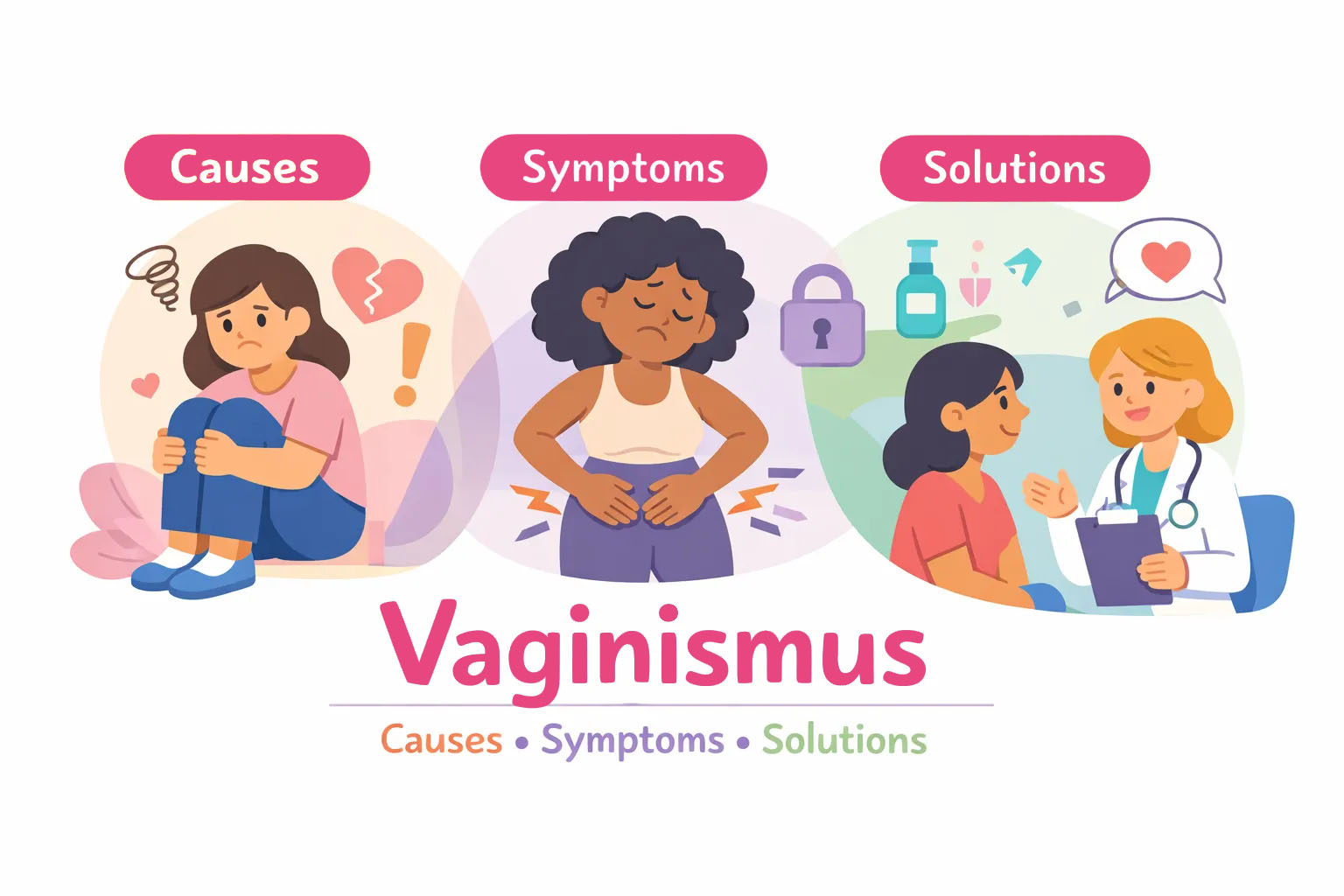
Vaginismus refers to the involuntary tightening of pelvic muscles that makes vaginal insertion painful. Many clinicians now group these symptoms under genito-pelvic pain/penetration disorder (GPPPD) to capture the interaction of fear, pain and difficulty with penetration.
What you need to know
- Treat vaginismus within genito-pelvic pain/penetration disorder (GPPPD) to link fear, pain and difficulty with penetration and focus on restoring function and easing distress.
- Begin with a clinical exam to exclude infections, skin conditions, scarring, hormone-related atrophy and other pelvic problems before starting home therapy.
- Combine pelvic floor physiotherapy and graded dilator work with cognitive behavioral therapy or structured sex therapy to address both body and psychological responses.
- Use a gentle, lubricated dilator routine, with relaxation and realistic goals, and track comfort rather than speed, as progress is often non-linear.
- Consult a clinician for uncontrolled pain, heavy or unexplained bleeding, sudden changes in symptoms, or if you need a pelvic health physiotherapist or sexual health specialist.
What vaginismus is and how clinicians frame it (GPPPD)
How clinicians frame vaginismus changes the approach to care. Many now place it within genito-pelvic pain/penetration disorder (GPPPD), a diagnosis that covers fear or anxiety around penetration, pain during insertion and difficulty allowing penetration. Patients often still use the word vaginismus to describe their experience, while clinicians use GPPPD to plan coordinated treatment.
Clinicians distinguish primary cases, which begin at the first attempt at penetration, from secondary cases that develop after a period of comfortable penetration. Symptoms may appear or shift around events such as first intercourse, childbirth, pelvic surgery or menopause, and people of any age can be affected. Both lifelong and acquired patterns respond to appropriate treatment plans.
Vaginismus affects an estimated 1–7% of women worldwide in clinical settings, with some studies reporting rates as high as 17% per year [1, 2]. Prevalence is thought to be significantly higher due to widespread underreporting driven by shame and stigma
Viewing the condition as GPPPD highlights both physical and psychological contributors instead of assuming a single cause. That view supports referrals to pelvic floor physiotherapy, sex therapy or cognitive behavioral therapy for sexual pain and ensures medical assessment when needed. Framing the condition this way also helps reduce self-blame by validating how fear, pelvic floor dysfunction and pain interact.
Diagnosis depends on a detailed history, a sensitive genital examination and validated assessment tools to rule out organic causes and map pain patterns. Clinical guidelines recommend individualized, multidisciplinary plans because combined approaches tend to produce better outcomes. For practical guidance on assessment and management, see the clinical assessment and management of vaginismus guidance.
Common causes: physical triggers and pelvic floor dysfunction
Start by ruling out local medical causes that can mimic vaginismus. Common contributors include infections, skin conditions such as lichen sclerosus, scarring or atrophy after menopause, endometriosis and postoperative changes. A targeted history and an adapted pelvic exam help identify treatable problems, so a medical review should come before home therapy.
Pelvic muscle overactivity or guarding is a common pathway that keeps pain going. When pelvic muscles tighten reflexively during attempted penetration, insertion becomes painful, and the body protects itself by tightening more.
That feedback loop, where fear causes guarding, guarding increases pain and pain raises fear, helps explain why symptoms persist and why physical work alone may not be enough. Specialized pelvic rehabilitation uses relaxation techniques, manual release,
biofeedback and graded desensitization with vaginal dilators to break the cycle. Reviews summarising the evidence for pelvic floor rehabilitation can help clinicians plan therapy; see an overview of pelvic physiotherapy approaches for more detail (pelvic floor physiotherapy evidence).
Psychological, cultural and relational factors often sit alongside physical causes and strengthen avoidance. Anxiety, a history of sexual trauma, rigid beliefs about sex, limited early sex education and strained partner dynamics can increase anticipatory tension and complicate recovery. When combined with pelvic rehabilitation, sex therapy or CBT for sexual pain, it typically reduces avoidance and improves outcomes.
A sensitive diagnostic exam looks for these causes while keeping you comfortable. Clinicians adapt tests and use validated tools to reduce distress and clarify the underlying drivers. If problems are found, a tailored plan may include medical treatment, pelvic rehabilitation and psychological support.
How to recognise it: symptoms, tests and basic self-checks
Recognising common symptoms helps you get the right care. Typical complaints include a burning or intense squeezing sensation when anything is inserted, from a finger or tampon to a partner. Many people find intercourse impossible or extremely painful, and routine pelvic exams can trigger the same response; anticipatory panic or avoidance at the thought of penetration is a hallmark sign.
At an appointment, expect a detailed sexual and medical history to map where the pain sits and how it began. Providers will ask about onset, whether insertion of fingers or tampons is possible, pain quality and timing, and any relationship or emotional factors that matter. The exam is adapted to reduce distress, using gentle inspection, a cotton-tip test for provoked vestibulodynia and validated questionnaires like the FSFI to document function and track change.
Distinguishing vaginismus from provoked vestibulodynia, generalized vulvodynia, hormone-related vaginal atrophy and infection matters because treatments differ. Clinicians will order swabs, microscopy or blood tests when symptoms point to those causes, and imaging may be used for pelvic pain of unclear origin. A clear differential diagnosis helps direct the most appropriate multidisciplinary plan and reduce uncertainty.
Knowing these signs and basic tests helps you ask focused questions at your appointment and get the right referrals. The following section reviews evidence-based treatment options and practical first steps you can try or discuss with your clinician.
Evidence-based treatments: what helps and typical outcomes
Treatments work best when they address both the body and the mind. Psychological therapies such as cognitive behavioural therapy and structured sex therapy have strong evidence for treating vaginismus by reducing fear and avoidance. Programs typically include education, anxiety-reduction skills, sensate-focus exercises and graded exposure to touch and insertion. Many people notice reduced anxiety and easier pelvic muscle control within four to eight weeks; a common program runs eight to twelve weekly sessions plus homework. Systematic reviews support combined psychological and physical therapies for better outcomes (systematic reviews).
Pelvic muscle rehabilitation and manual approaches address the physical component of closure and pain. Techniques include relaxation training, biofeedback to increase awareness, internal soft-tissue release, and trigger-point work to ease vaginal muscle spasm and surrounding tension. Clinics that combine hands-on methods with guided dilator education often report faster symptom reduction, sometimes within a few sessions. Correct technique, steady pacing and avoiding force are essential to prevent setbacks and build confidence.
Medical and procedural options are adjuncts used in specialist settings. Botulinum toxin injections have shown benefit for some patients when combined with dilation or therapy, and topical estrogen helps when atrophy contributes to pain. These interventions support rather than replace the core psychological and physical rehabilitation approach, and they work best as part of a coordinated plan with experienced clinicians.
Below is a gentle, practical dilator routine you can discuss with your provider as part of a tailored plan. Use it as a starting point and adjust the timing or frequency based on your clinician's guidance.
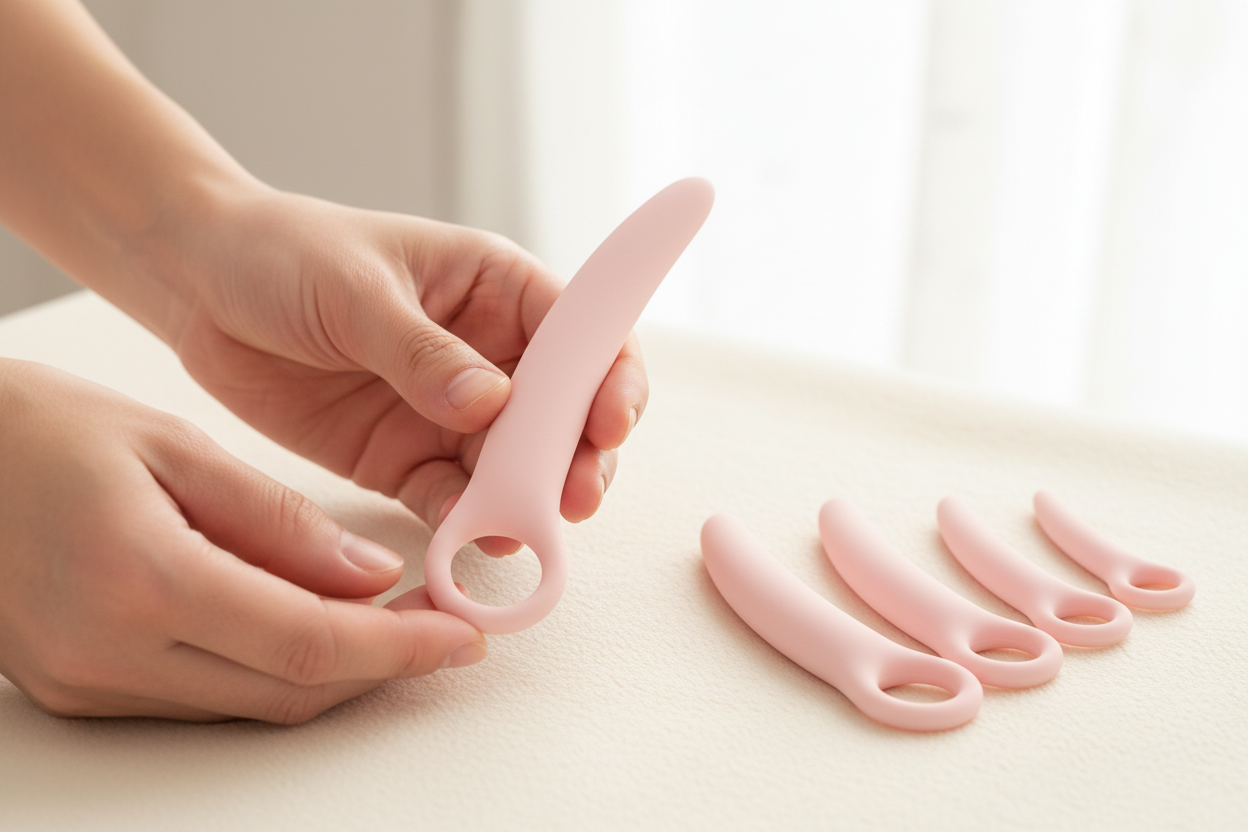
A gentle step-by-step dilator and recovery plan for vaginismus
A calm, consistent approach helps reduce fear and build tolerance.
- Prepare: Wash your hands, choose a private, calm time and gather a water-based lubricant. If you'd like to purchase a lubricant, see our lubricant collection. Consider the Curved Vaginal Dilator Kit – BPink Lifestyle's medical-grade dilator with discreet packaging and same-day delivery within Singapore for qualifying orders.
- Begin with the smallest dilator. Insert at a slight downward angle, as if inserting a tampon. Breathe and pause at the first sign of tension rather than forcing through discomfort.
- Time the session: Aim for 10 to 15 minutes per session, using gentle in-and-out movement and slow rotation for 5 to 10 minutes while staying relaxed.
- Set frequency and progression: Practice three to four times per week or follow your clinician's advice, and move up to the next size only when the current size feels comfortable.
- Use supportive self-care: Practice belly breathing and long exhalations before and during dilation; avoid forced Kegel squeezes, which can increase guarding; consider nightly vaginal moisturizers or prescribed topical estrogen for dryness; and use mindfulness or guided imagery to stay present.
- Monitor progress: Track comfort rather than speed and expect non-linear improvements; some people notice measurable change within two to four weeks, while others need more time.
- Troubleshoot and seek help: Pause and contact a clinician for severe, sharp pain, ongoing bleeding, signs of infection or rising anxiety that prevents practice. Try switching lubricants, changing position or booking a supervised session with a pelvic health clinician for initial attempts.
When to seek help and how to work with professionals and partners
Seek prompt care for uncontrolled pain, heavy or unexplained bleeding, sudden new symptoms or when emotional distress interferes with daily life. Early, adapted assessment can shorten recovery by tailoring treatment to your needs. Ask for a gentle, trauma-informed approach and clear consent at every step. If symptoms are urgent, arrange care through a sexual health clinic or urgent care service.
Look for pelvic health physiotherapists with specific pelvic credentials and therapists who specialize in sexual pain or sex therapy. The first appointment usually includes a careful history, a gentle physical assessment adapted to your comfort and a practical plan with homework. If local options are limited, telehealth is a useful starting point for assessment, education and planning before hands-on sessions. Keep records of your symptoms and any tests to share with your providers.
Partners can help most when they offer support without pressure and keep the focus on connection rather than performance. Practical actions include non-penetrative closeness, shared breathing and touch exercises, and attending joint sessions if both people agree. Helpful phrases include "I want to be close in ways that feel safe for you" and "Tell me when to pause or slow down." Also, practise patience, celebrate small steps and check in emotionally after intimate moments.
Maintain gains with occasional refresher practice, routine clinician check-ins after major life events and ongoing open partner communication. Regular follow-up helps prevent relapse and keeps your plan current as needs change.
Final thoughts
Vaginismus is part of the genito-pelvic pain/penetration disorder group, and understanding common causes can help you choose the right care. Often, pelvic floor dysfunction or local medical issues play a role, so a clinical exam and targeted tests should be the starting point. Learning the signs and basic self-checks makes it easier to describe symptoms clearly to a clinician and begin an evidence-based plan.
You do not have to wait to take a first step: book a consultation with a pelvic health physiotherapist or a sexual health clinician and ask about a basic pelvic screening. Try one small action today, such as practising a relaxation technique during a private moment or booking a supervised first-use session with a physiotherapist, and choose trauma-informed care to guide progress.


